
With gratitude. With remembrance. With respect.
Ingredient Guide
Hydration & Electrolytes
How fluid and electrolytes work, what you lose in sweat and when an electrolyte drink helps more than water. For most daily activity and shorter workouts, water and regular meals are enough.
What It Is
- Electrolytes are minerals that carry an electric charge in body fluids, mainly sodium, potassium, chloride, magnesium and calcium.
- Electrolyte drinks, powders and tablets supply these minerals, sometimes with carbohydrate, to replace what's lost in sweat.
What It Does in the Body
- Sodium is the main electrolyte in the fluid outside your cells. It helps keep water in your bloodstream and drives thirst.
- Potassium works mostly inside cells. Together, sodium and potassium control nerve signals, muscle contraction and heart rhythm.
- Calcium triggers muscle contraction, and magnesium helps muscles relax and supports energy production.
- Sweat is mostly water plus sodium, with smaller amounts of potassium, magnesium and calcium. How much and how salty you sweat varies a lot from person to person.
What Research Shows
Strong and Moderate are established. Mixed and Limited are preliminary. Insufficient means too little research to judge, and Not supported marks popular claims research doesn't back. How we rate evidence
- Strong evidence
Losing more than about 2% of body weight in sweat can impair endurance and mental performance, especially in the heat.
- Strong evidence
For most exercise lasting under about an hour, water is enough.
- Moderate evidence
During long or very sweaty exercise, drinks with sodium and carbohydrate help maintain fluid balance and performance.
- Strong evidence
Drinking much more than you sweat, especially plain water during very long events, can cause dangerously low blood sodium (hyponatremia).
- Mixed evidence
Exercise muscle cramps seem more linked to muscle fatigue than to electrolyte loss, though extra sodium may help some heavy, salty sweaters.
- Not supported
Claim: electrolyte drinks hydrate better than water in everyday life. For people who aren't exercising hard or ill, there's no good evidence they're needed.
Effective Amounts, When Established
- Before exercise: about 5 to 7 mL of fluid per kg of body weight at least 4 hours before (roughly 350 to 500 mL for a 70 kg adult).
- During long exercise: drink enough to keep losses under about 2% of body weight. A common starting point is 0.4 to 0.8 L an hour, adjusted to your sweat rate.
- Sodium in drinks for long exercise: about 20 to 30 mmol per liter (roughly 460 to 690 mg). Heavy, salty sweaters may need more.
- After exercise: about 1.25 to 1.5 L of fluid for every kg (2.2 lb) of weight lost, with some sodium from food or drink.
- Daily sodium: under 2,300 mg for most adults, unless you lose large amounts in sweat.
Food Sources and Alternatives
- Water plus regular meals covers electrolytes for most people: salted foods provide sodium; fruit, vegetables, beans, potatoes, yogurt and milk provide potassium; nuts, seeds and whole grains provide magnesium.
- After training, milk, or a salty snack with water, can rehydrate as well as a sports drink.
- Most people already get more sodium than recommended, so electrolyte mixes aren't needed for everyday hydration.
- When you're sick with vomiting or diarrhea, an oral rehydration solution is designed for the job; most sports drinks aren't.
- Pale yellow urine is a simple sign you're drinking enough.
Potential Benefits
- Replaces sodium and fluid during long, hot or very sweaty sessions.
- Carbohydrate-electrolyte drinks also provide fuel for long endurance exercise.
- Flavored drinks can help some people drink enough.
Risks and Interactions
- Overdrinking plain water during very long events can cause hyponatremia. Don't drink far beyond thirst or your sweat losses.
- Extra sodium can raise blood pressure in sensitive people. If you have high blood pressure, heart failure or kidney disease, ask before using electrolyte products.
- Potassium supplements and salt substitutes can be dangerous with kidney disease or some blood pressure medicines, such as ACE inhibitors, ARBs and potassium-sparing diuretics.
- Large magnesium doses from supplements can cause diarrhea.
- Many mixes contain sugar; zero-sugar versions use sweeteners instead.
Common Myths
Myth
Everyone needs eight glasses of water a day.
What the evidence says
Needs vary with body size, activity and climate, and food and other drinks count too. Thirst and pale urine are good everyday guides.
Myth
Electrolyte drinks beat water for everyday hydration.
What the evidence says
For daily activities and most workouts under an hour, water is enough.
Myth
Coffee dehydrates you.
What the evidence says
In regular coffee drinkers, moderate caffeine has only a mild effect on urine output, so coffee and tea still count toward your fluids.
Myth
Cramps always mean low electrolytes.
What the evidence says
Most exercise cramps are linked to muscle fatigue. Electrolytes may help only some heavy, salty sweaters, and magnesium is unlikely to help common cramps in older adults.
Practical Tips
- Weigh yourself before and after a long workout: each kg lost is about 1 L of sweat to replace.
- Save electrolyte drinks for sessions over an hour, hot conditions, or when you see white salt marks on your clothes.
- During long events, drink to thirst and avoid gaining weight, which is a sign of overdrinking.
- Check labels for sodium per serving; some 'hydration' products contain very little.
- Avoid stacking several electrolyte products in one day unless you sweat heavily.
Related Ingredients and Products
Ingredients
Products in the library
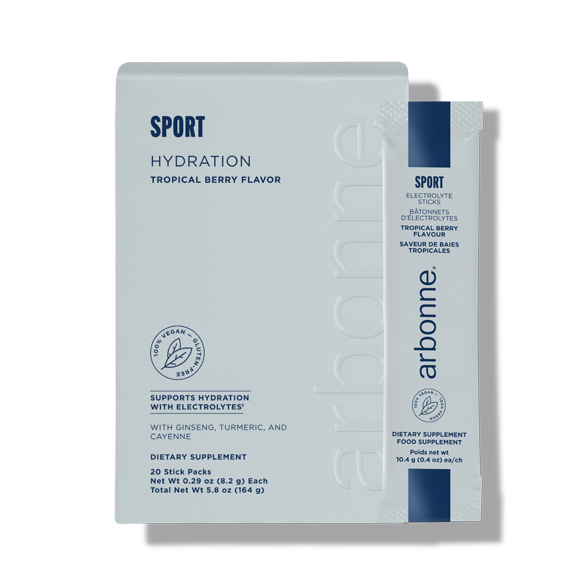
Listed for comparison, not as recommendations. BLCPA 360 doesn't sell or endorse any brand, so check each label against the amounts above.


Sources
- American College of Sports Medicine position stand: Exercise and fluid replacement
- Academy of Nutrition and Dietetics, Dietitians of Canada and ACSM: Nutrition and athletic performance (2016)
- Cochrane review: Magnesium for skeletal muscle cramps (2020)
- NIH Office of Dietary Supplements: Potassium
- Dietary Guidelines for Americans, 2020-2025
- NIH Office of Dietary Supplements: Supplements for exercise and athletic performance
