With gratitude. With remembrance. With respect.
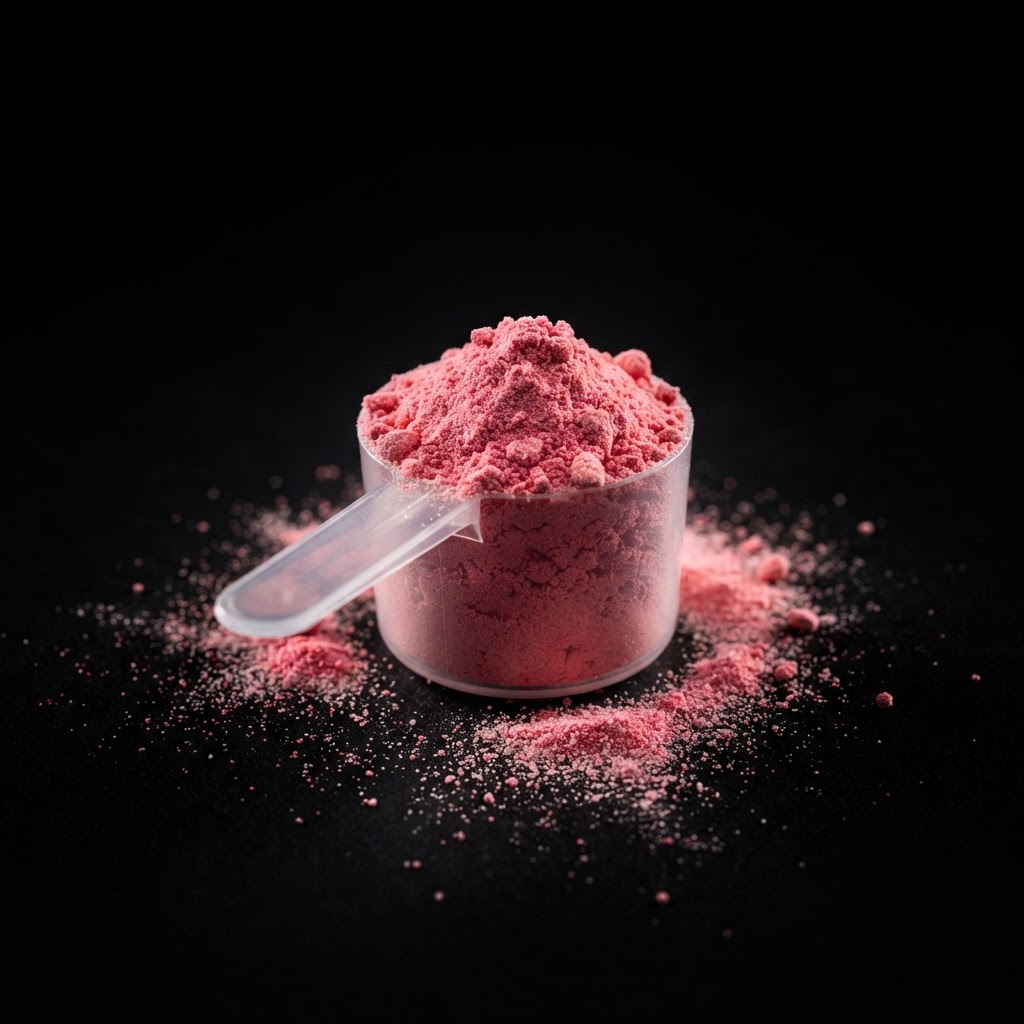
Ingredient Guide
Pre-Workout
What's typically inside a pre-workout, which ingredients have research behind them and how to use stimulants safely. A pre-workout is optional; food, sleep and hydration come first.
What It Is
- Pre-workouts are powders, drinks or capsules taken before exercise. Most combine a stimulant, usually caffeine, with ingredients aimed at endurance, blood flow (the 'pump') or focus.
- There's no standard recipe. Two products with similar names can contain very different ingredients and amounts.
- Common ingredients include caffeine, citrulline, beta-alanine and creatine, plus others such as betaine, nitrate from beetroot, tyrosine and branded extracts.
What It Does in the Body
- Caffeine blocks adenosine, a chemical that builds up and signals tiredness, so you feel more alert and hard effort feels easier.
- Citrulline is converted to arginine, which the body uses to make nitric oxide, a molecule that relaxes and widens blood vessels.
- Beta-alanine raises carnosine in muscle, which helps buffer the acid that builds up in hard efforts lasting about 1 to 4 minutes.
- Creatine builds up phosphocreatine stores over weeks, supporting short, intense efforts. It doesn't give an immediate boost.
What Research Shows
Strong and Moderate are established. Mixed and Limited are preliminary. Insufficient means too little research to judge, and Not supported marks popular claims research doesn't back. How we rate evidence
- Strong evidence
Caffeine improves endurance, strength and power for many people at about 3 to 6 mg per kg of body weight, taken about 60 minutes before exercise.
- Strong evidence
Creatine improves strength and repeated-sprint performance, but its benefit comes from daily use over weeks, not a single pre-workout dose.
- Moderate evidence
Beta-alanine at 4 to 6 g a day for at least 2 to 4 weeks improves performance in hard efforts lasting about 1 to 4 minutes.
- Mixed evidence
Citrulline shows small, inconsistent effects on reps and fatigue.
- Limited evidence
Few studies test complete pre-workout formulas, many are manufacturer funded, and results apply only to the exact product tested.
- Not supported
Claim: the tingling means it's working. Tingling comes from beta-alanine and is a harmless side effect, not a sign of effectiveness.
Effective Amounts, When Established
- Caffeine: 3 to 6 mg per kg (about 200 to 400 mg for a 70 kg adult), 30 to 60 minutes before exercise. Doses as low as 2 mg per kg can still help, with fewer side effects.
- Total caffeine: up to 400 mg a day from all sources is generally considered safe for healthy adults, according to the FDA.
- Beta-alanine: 4 to 6 g a day, split into smaller doses, for at least 2 to 4 weeks.
- Citrulline: studies often use 6 to 8 g of citrulline malate about an hour before exercise.
- Creatine: 3 to 5 g daily, at any time of day.
- Compare every amount on the label with these studied doses. Many products use less, or hide amounts inside a proprietary blend.
Food Sources and Alternatives
- An 8 oz cup of brewed coffee has about 80 to 100 mg of caffeine; tea has less.
- A meal or snack with carbohydrate 1 to 4 hours before training gives you fuel without stimulants.
- Beetroot and leafy greens provide nitrate, which the body also turns into nitric oxide. Meat, poultry and fish provide creatine and the building blocks of carnosine.
- Many people train well with no pre-workout at all. Sleep, food and hydration matter first.
Potential Benefits
- More alertness and less perceived effort from caffeine.
- Better performance in hard 1 to 4 minute efforts with steady beta-alanine use.
- The convenience of several ingredients in one drink, when every amount is disclosed and matches research.
Risks and Interactions
- Too much caffeine can cause jitters, a racing heart, anxiety, stomach upset and poor sleep. Avoid it within about 6 hours of bedtime.
- Combining a pre-workout with coffee, energy drinks or caffeine pills can push intake past safe limits. Pure powdered caffeine is especially dangerous because a lethal amount is easy to measure by mistake.
- Beta-alanine commonly causes a harmless tingling of the skin; smaller, split doses reduce it.
- Ask a clinician first if you're pregnant, under 18, sensitive to caffeine, or have a heart condition, high blood pressure or an anxiety disorder.
- Stimulants can interact with ADHD medicines, some antidepressants, decongestants and blood pressure medicines.
- Proprietary blends can hide stimulant amounts, and some pre-workouts have been found with unlisted or banned stimulants.
Common Myths
Myth
The tingle means it is working.
What the evidence says
Tingling comes from beta-alanine and is a harmless side effect. It says nothing about how well the product works.
Myth
More stimulant means a better workout.
What the evidence says
Caffeine's benefit levels off at moderate doses, while side effects keep climbing.
Myth
You need a pre-workout to train hard.
What the evidence says
It's optional. A meal, good sleep and hydration support hard training without one.
Myth
A longer ingredient list means a better product.
What the evidence says
Many add-ins are under-dosed or lack human research. A few ingredients at studied doses beat a long list.
Practical Tips
- Add up all your caffeine for the day, including coffee and energy drinks.
- Start with half a serving to see how you respond.
- For evening workouts, choose a stimulant-free formula or skip it.
- Pick labels that list every ingredient amount instead of proprietary blends.
- If you're drug-tested in sport, use only third-party certified products.
Related Ingredients and Products
Ingredients
Products in the library
Listed for comparison, not as recommendations. BLCPA 360 doesn't sell or endorse any brand, so check each label against the amounts above.


Sources
- International Society of Sports Nutrition position stand: caffeine and exercise performance (2021)
- International Society of Sports Nutrition position stand: beta-alanine (2015)
- International Society of Sports Nutrition position stand: creatine (2017)
- U.S. FDA: Spilling the beans: how much caffeine is too much?
- NIH Office of Dietary Supplements: Supplements for exercise and athletic performance
